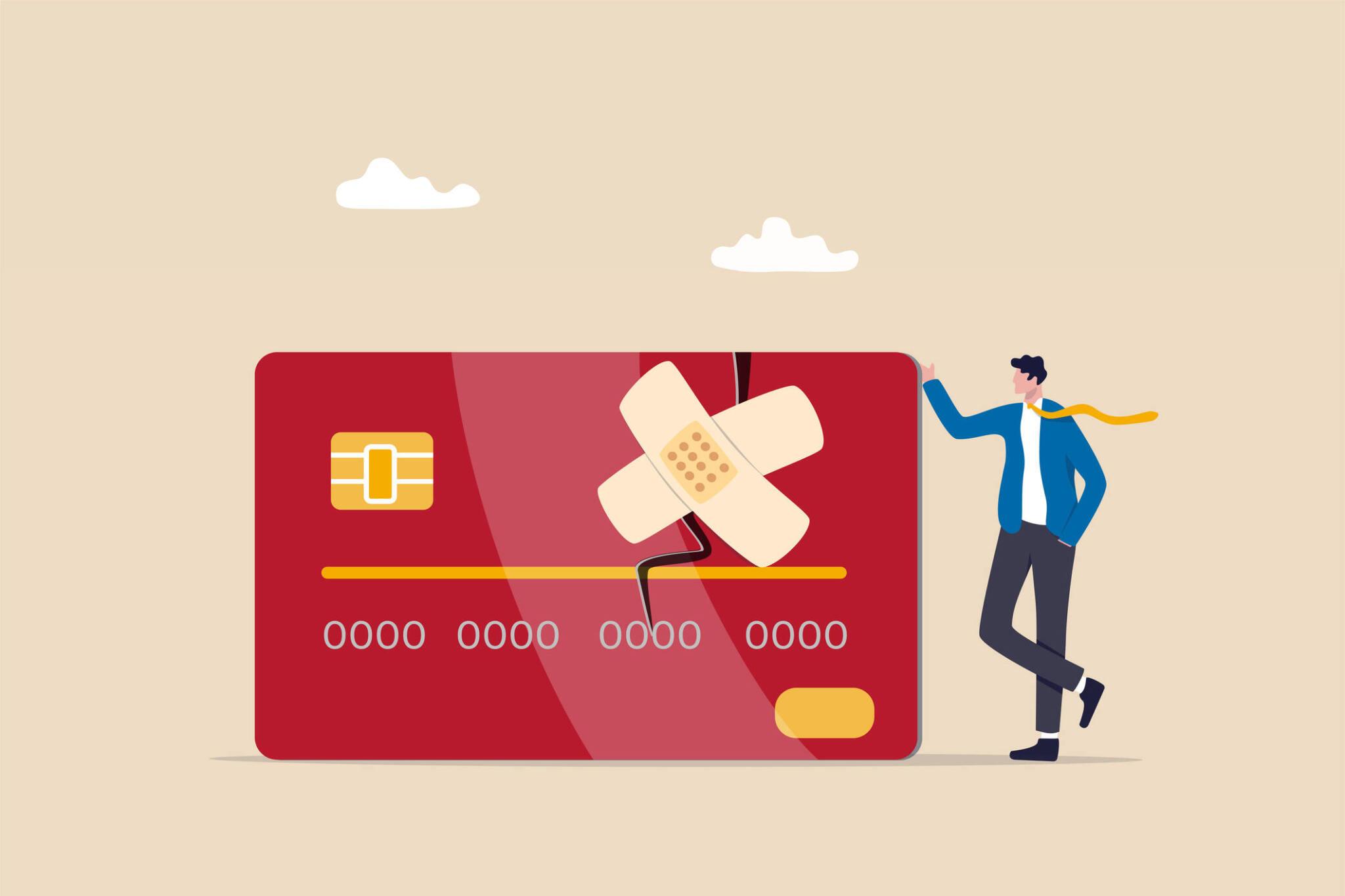
Credit Repair 101: Tips and Strategies for How to Increase Your Credit Score
Introduction:
Your credit score is more than just a number. It’s a reflection of your financial responsibility and can impact various aspects of your life, from securing loans to renting an apartment. But what happens when your credit score isn’t where you want it to be? This is where credit repair comes in. In this blog, we’ll explore the fundamentals of credit repair and how to increase your credit score offering tips and strategies to help you restore your credit score and take control of your financial future.
Understanding Your Credit Score
Before diving into the nitty-gritty of credit repair and how to increase your credit score, it’s essential to understand what a credit score is and how it’s calculated. Your credit score is a numerical representation of your creditworthiness, typically ranging from 300 to 850. It’s calculated based on various factors, including your payment history, credit utilization, length of credit history, types of credit accounts, and new credit inquiries.
Assessing Your Current Situation
The first step in the credit repair process is to assess your current financial situation. Start by obtaining a copy of your credit report from each of the three major credit bureaus—Equifax, Experian, and TransUnion. You’re entitled to one free copy of your credit report from each bureau annually, which you can request through AnnualCreditReport.com.
Once you have your credit reports in hand, review them carefully for any errors or discrepancies. Common mistakes include inaccurate account information, fraudulent activity, and outdated personal information. If you spot any errors, dispute them with the respective credit bureau to have them corrected.
In addition to identifying errors, take note of any negative items on your credit report, such as late payments, collections, or charge-offs. These are areas that may need attention as you work to improve your credit score.
Developing a Credit Repair Plan
With a clear understanding of your credit situation, it’s time to develop a credit repair plan. Start by setting realistic goals for improving your credit score. Whether you’re aiming to increase your score by a certain number of points or qualify for a specific financial product, having clear objectives will help guide your efforts.
Next, prioritize your debts and delinquencies based on factors such as interest rates, outstanding balances, and the age of the accounts. While it’s important to address all negative items on your credit report, focus on tackling the most pressing issues first.
Once you’ve identified your priorities, contact each creditor and credit reporting agency for validation of these debts. Allocate as much of your income as possible toward paying off debt while still covering essential expenses. Consider using strategies such as the debt snowball or debt avalanche method to accelerate your progress.
Implementing Credit Repair Strategies
With your plan in place, it’s time to put it into action, and using tools on how to increase your credit score like adding positive tradelines is essential. Start by committing to pay your bills on time, every time. Payment history is the most significant factor influencing your credit score, so consistently making on-time payments can have a positive impact on your score over time.

In addition to paying bills on time, focus on reducing your credit card balances. Aim to keep your credit utilization ratio—the ratio of your credit card balances to your credit limits—below 30%. Paying down high balances can help improve your credit score and demonstrate responsible credit management to potential lenders.
If you’re struggling to keep up with your payments, don’t hesitate to reach out to your creditors to discuss your situation. Many creditors are willing to work with you to establish more manageable payment arrangements or explore options for debt settlement.
While some individuals may choose to enlist the help of credit repair services, proceed with caution. Not all credit repair companies are reputable, and some may engage in unethical or illegal practices. Before enlisting the services of a credit repair company, research their credentials, read reviews from past clients, and verify that they comply with applicable laws and regulations.
Building Positive Credit Habits
In addition to addressing negative items on your credit report, focus on building positive credit habits that will contribute to a healthier credit profile over time. One way to do this is by opening new lines of credit responsibly. Consider applying for a secured credit card or becoming an authorized user on someone else’s account to establish a positive payment history.
Once you have new credit accounts, be sure to keep your credit utilization low by only charging what you can afford to pay off in full each month. Avoid maxing out your credit cards or carrying high balances, as this can negatively impact your credit score.
Limit the number of credit inquiries you make, as each inquiry can temporarily lower your credit score. Only apply for credit when necessary and be strategic about when you submit applications to minimize the impact on your score.
Finally, make it a habit to regularly review your credit reports to monitor your progress and identify any new issues that may arise. You’re entitled to one free copy of your credit report from each bureau annually, so take advantage of this opportunity to stay informed about your credit standing.
Avoiding Common Pitfalls
As you work to repair your credit, be mindful of common pitfalls that can derail your progress. One of the most significant pitfalls to avoid is falling for credit repair scams. If a credit repair company promises to remove accurate negative information from your credit report or guarantees a specific increase in your credit score, proceed with caution. Legitimate credit repair takes time and effort, and there are no shortcuts to improving your credit score.
Additionally, don’t ignore debt collection notices or attempts to collect on past-due accounts. Ignoring these notices can result in further damage to your credit score and may even lead to legal action by creditors or collection agencies. Instead, address any outstanding debts promptly and explore options for resolving them, such as negotiating a settlement or setting up a payment plan.
Finally, resist the temptation to close old accounts, especially if they have a positive payment history. Closing old accounts can shorten your average account age and reduce the overall length of your credit history, both of which can negatively impact your credit score. Instead, consider keeping these accounts open and using them periodically to maintain their positive impact on your credit profile.
Monitoring Progress and Adjusting Strategies
As you work through your credit repair journey, be sure to monitor your progress regularly and make adjustments to your strategies as needed. Keep track of changes in your credit score over time and celebrate milestones and successes along the way.
If you encounter setbacks or challenges, don’t get discouraged. Credit repair is a marathon, not a sprint, and it may take time to see significant improvements in your credit score. Stay focused on your goals, stick to your credit repair plan, and remember that every positive financial decision you make brings you one step closer to a better credit future.
Conclusion
Improving your credit score is a journey that requires dedication, patience, and perseverance. By understanding the fundamentals of credit repair and implementing the strategies outlined in this blog, you can take control of your financial future and achieve the credit score you deserve. Remember, it’s never too late to start repairing your credit, so don’t wait—take action today and set yourself on the path to a brighter financial tomorrow.