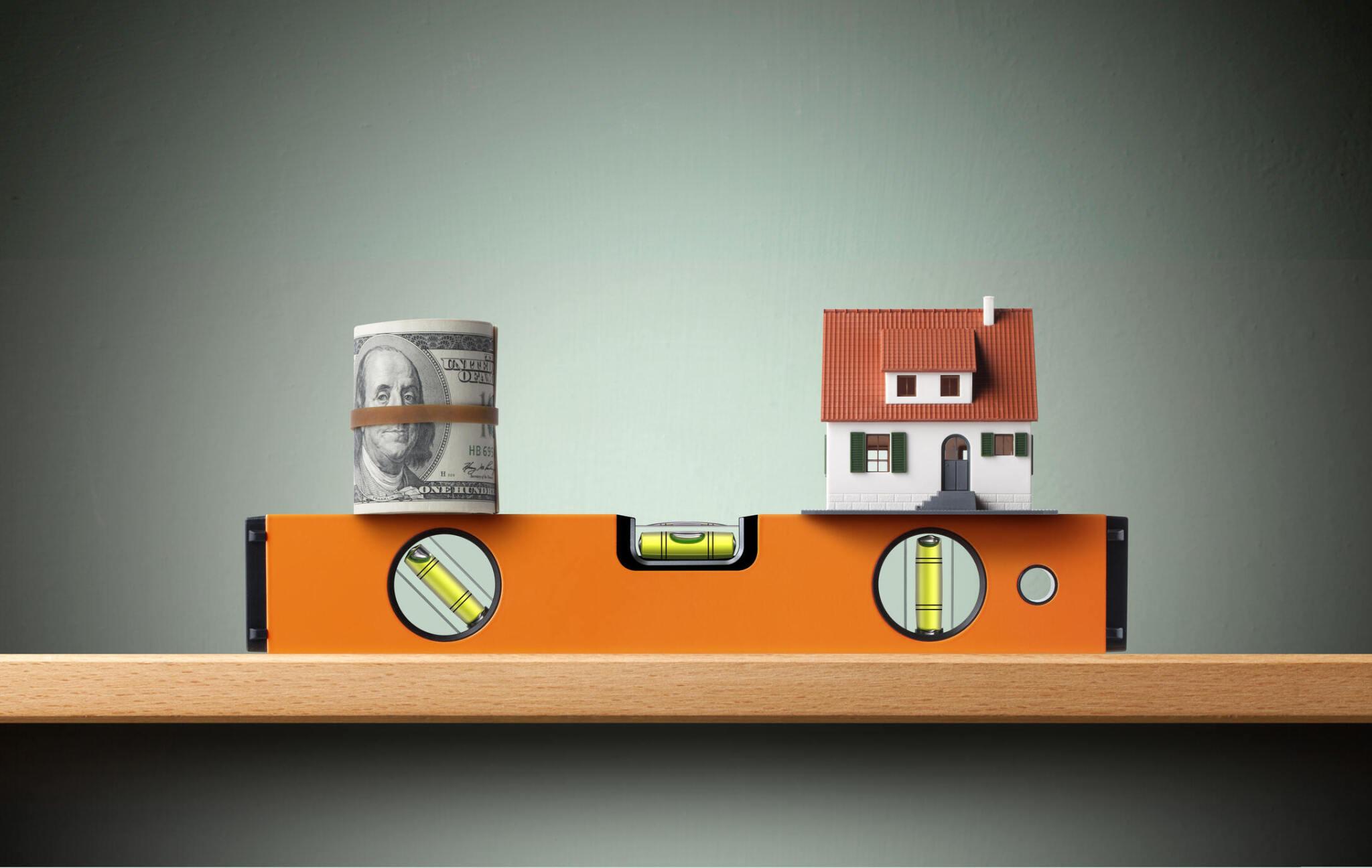
Fixing Your Credit: Essential Strategies for How to Fix Your Credit and Restore Finacial Health
Introduction:
In today’s financial landscape, having good credit is more than just a convenience; it’s a necessity to know how to fix your credit and restore financial health. Your credit score affects everything from your ability to get a loan or credit card to the interest rates you’ll pay. Unfortunately, many people find themselves struggling with poor credit, which can feel overwhelming and even hopeless. However, the good news is that with the right strategies and a bit of dedication, it’s possible to improve your credit score and restore your financial health.
Understanding Credit Scores:
Before diving into the strategies for fixing your credit, it’s essential to understand (how to fix your credit), what credit scores are, and how they work. Your credit score is a numerical representation of your creditworthiness, based on factors such as your payment history, credit utilization, length of credit history, types of credit accounts, and new credit inquiries. Credit scores typically range from 300 to 850, with higher scores indicating better creditworthiness. Monitoring your credit report regularly is crucial for identifying any errors or negative items that may be dragging down your score.
Assessing Your Current Financial Situation:
The first step in fixing your credit is to assess your current financial situation. Obtain copies of your credit reports from the three major credit bureaus—Equifax, Experian, and TransUnion—and review them carefully for any inaccuracies or negative items. Additionally, calculate your debt-to-income ratio, which is the percentage of your monthly income that goes toward paying off debts. This will give you a clear picture of where you stand financially and what areas need improvement.
Creating a Plan for Improvement:
Once you’ve assessed your current financial situation, it’s time to create an improvement plan. Set specific, achievable goals for improving your credit score, such as paying off a certain amount of debt or increasing your credit limit. Establishing a budget can help you prioritize your spending and allocate funds toward debt repayment. Consider using tools like debt snowball or debt avalanche methods to pay off debts more efficiently.
Strategies for How to Fix Your Credit:
There are several strategies you can implement to improve your credit score:
1. Making timely payments: Payment history is the most significant factor affecting your credit score, so it’s crucial to pay all your bills on time.
2. Reducing credit card balances: High credit card balances relative to your credit limits can negatively impact your credit score. Aim to keep your credit utilization ratio below 30%.
3. Negotiating with creditors: If you’re struggling to make payments, consider contacting your creditors to negotiate a lower interest rate or a more manageable payment plan.
4. Utilizing credit-building tools: Secured credit cards can be a useful tool for rebuilding credit. By making on-time payments and keeping balances low, you can demonstrate responsible credit usage.
Dealing with Negative Items on Your Credit Report:
Negative items such as late payments, collections, or bankruptcies can significantly impact your credit score. Here’s how to address them:
1. Disputing inaccuracies: If you find any errors on your credit report, file a dispute with the credit bureaus to have them corrected.
2. Negotiating settlements or payment plans: If you have outstanding debts, try negotiating with creditors to settle the debt for less than the full amount or set up a payment plan.
3. Understanding the impact of bankruptcy and foreclosure: While bankruptcy and foreclosure can have a severe impact on your credit score, it’s not the end of the road. With time and responsible financial behavior, you can rebuild your credit.
Building Positive Credit History and How to Fix Your Credit:

In addition to addressing negative items, it’s essential to build a positive credit history:
1. Opening new credit accounts responsibly: Consider applying for a new credit card or loan and using it responsibly to demonstrate your ability to manage credit.
2. Becoming an authorized user: If you have a family member or friend with good credit, ask them to add you as an authorized user on their credit card account. Their positive payment history can help improve your credit score.
3. Maintaining a low credit utilization ratio: Aim to keep your credit card balances low relative to your credit limits to demonstrate responsible credit usage.
Maintaining Good Credit Habits:
Once you’ve improved your credit score, it’s crucial to maintain good credit habits:
1. Regularly reviewing your credit reports: Monitor your credit reports regularly to ensure that all information is accurate and up-to-date.
2. Avoiding unnecessary credit inquiries: Limit the number of times you apply for new credit, as each inquiry can temporarily lower your credit score.
3. Using credit responsibly: Continue to make timely payments, keep credit card balances low, and avoid maxing out your credit cards to maintain a good credit score.
Overcoming Common Challenges:
Fixing your credit can be challenging, but it’s not impossible. Here are some common challenges you may encounter:
1. Dealing with unexpected financial emergencies: Build an emergency fund to cover unexpected expenses so that you don’t have to rely on credit cards or loans.
2. Avoiding predatory lending practices: Be cautious of lenders who offer high-interest loans or credit cards to individuals with poor credit. These products can trap you in a cycle of debt.
3. Seeking professional help when needed: If you’re struggling to improve your credit on your own, consider seeking help from a credit counseling agency or financial advisor who can provide guidance and support.
Staying Motivated on the Journey to Financial Health:
Improving your credit takes time and dedication, but the rewards are well worth it. Here are some tips for staying motivated:
1. Celebrate small victories: Acknowledge and celebrate each milestone you achieve on your journey to better credit.
2. Set realistic expectations: Improving your credit won’t happen overnight, so be patient and stay focused on your long-term goals.
3. Seek support from others: Don’t be afraid to lean on friends, family, or financial advisors for support and encouragement along the way.
Conclusion:
Improving your credit is a journey that requires commitment and perseverance, but it’s entirely achievable with the right strategies and mindset. By understanding your credit score, assessing your financial situation, and implementing effective strategies for improvement, you can take control of your finances and restore your financial health. Remember to stay motivated, celebrate your progress, and seek help when needed. With time and effort, you can achieve the good credit score you deserve.